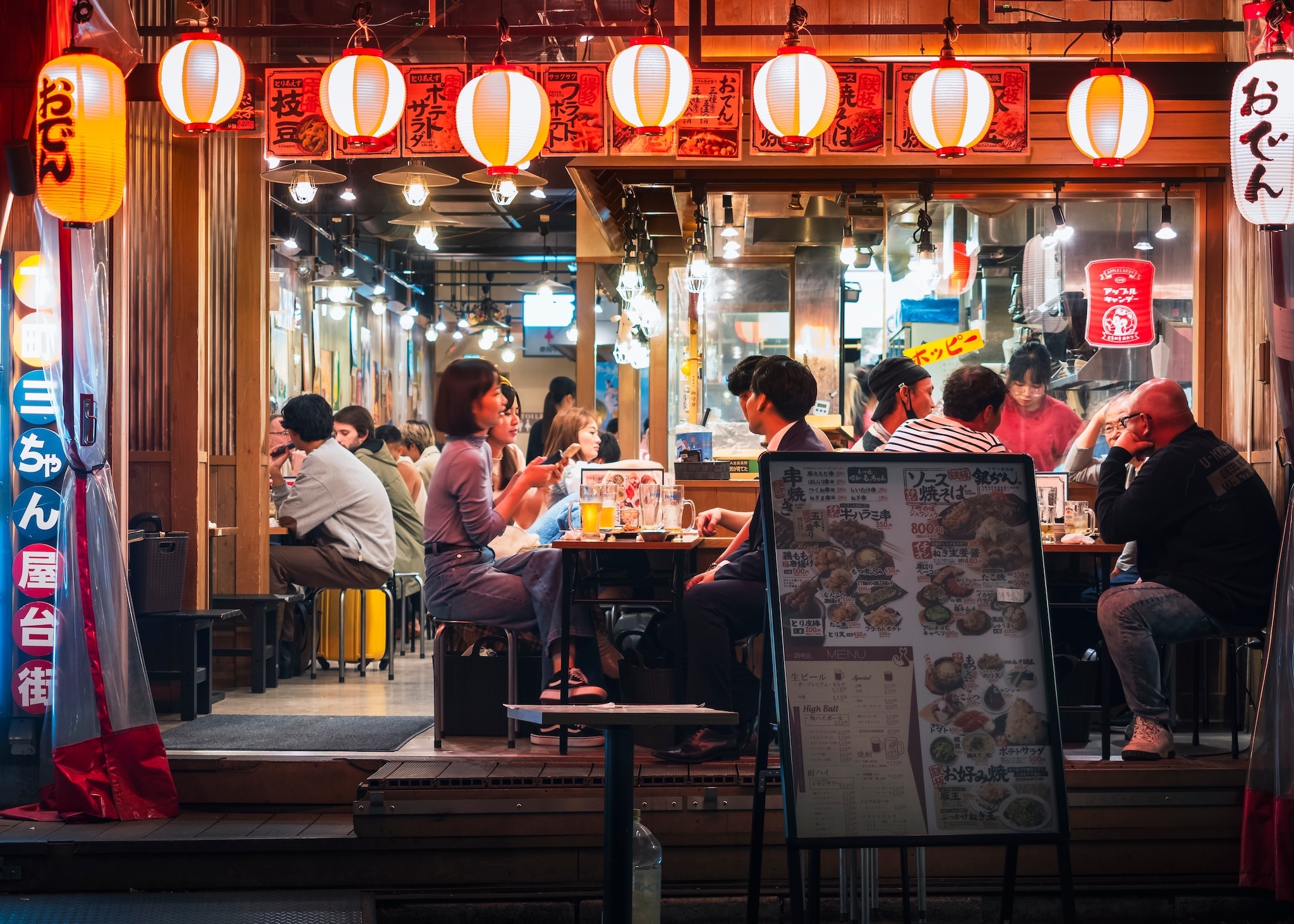
In recent years, an unusual trend has emerged in some Asian nightlife venues: the enforcement of maximum age limits, often restricting entry to individuals under 40 years old. This practice has sparked curiosity and debate among locals and tourists alike, raising questions about the motivations behind such policies and their implications for social inclusivity.
Many bars and clubs justify these age restrictions by emphasizing the desire to create a vibrant, youthful atmosphere. Proprietors argue that a younger crowd contributes to an energetic environment that aligns with their brand image and customer expectations. For instance, some venues believe that patrons under 40 are more likely to engage in lively social interactions, dance, and enjoy the music, which enhances the overall experience for everyone present.
Moreover, these age limits are often part of a broader marketing strategy aimed at attracting a specific demographic. By targeting younger adults, establishments aim to differentiate themselves in competitive nightlife scenes and cultivate a loyal customer base that aligns with their branding. This approach can also be seen as a way to appeal to international tourists who seek a lively, youthful nightlife experience.
However, the implementation of such policies has not been without controversy. Critics argue that age restrictions can be discriminatory and exclude older adults who wish to enjoy the nightlife. There are concerns about the social implications of promoting age-based segregation, which may reinforce stereotypes about aging and social participation.
Despite these criticisms, some venues maintain that their policies are legal and within their rights as private businesses. They often cite the importance of maintaining a particular ambiance and ensuring safety, especially in venues where alcohol consumption and dancing are involved. In some cases, these restrictions are also linked to licensing regulations or cultural norms prevalent in certain regions.
The phenomenon reflects broader societal attitudes towards aging and youthfulness in many Asian cultures, where youth is often associated with vitality, beauty, and social desirability. As a result, the enforcement of age limits in nightlife venues can be seen as a manifestation of these cultural values, albeit one that raises questions about inclusivity and diversity.
Overall, the trend of bars enforcing maximum age limits highlights the evolving landscape of nightlife in Asia. While it caters to specific market segments and cultural preferences, it also prompts ongoing discussions about age discrimination, social cohesion, and the future of inclusive entertainment spaces.